






PlightTalk News
A landmark resolution adopted by the United Nations General Assembly (UNGA) is being hailed by environmental advocates and legal experts as a major breakthrough in the global fight against climate change, strengthening international pressure on governments to take responsibility for protecting the planet.
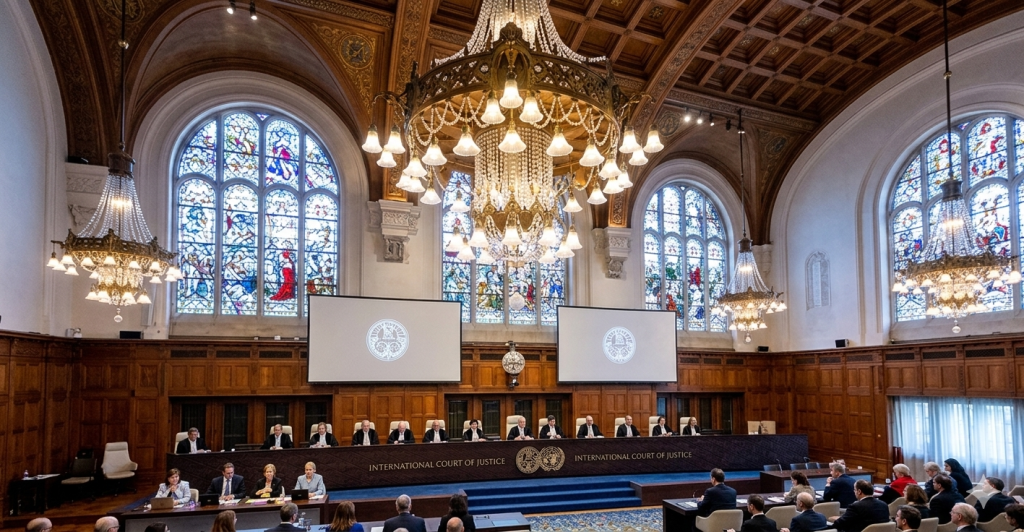
The resolution, adopted with overwhelming support from UN member states, affirms that countries have obligations under international law to protect the climate system and address the growing climate crisis. The move follows an earlier advisory opinion issued by the International Court of Justice (ICJ), which clarified that governments have legal duties to reduce greenhouse gas emissions and prevent environmental harm.
Environmental groups described the decision as a significant victory for climate justice, particularly for vulnerable nations already facing devastating impacts from rising sea levels, floods, droughts, desertification, and extreme weather events. The initiative was largely championed by Pacific Island nations, including Vanuatu, which have long argued that countries contributing most to global emissions should be held accountable for climate-related damage.
According to the United Nations, the resolution reinforces the principle that no nation is above its environmental responsibilities and that protecting present and future generations from climate breakdown is a legal as well as moral obligation. The vote is widely viewed as a strong affirmation of international law, scientific evidence, and the growing demand for global climate action.
UN Secretary-General António Guterres welcomed the development, describing it as a powerful statement that governments must act decisively against the escalating climate emergency. He stressed that fossil fuels remain the primary driver of global warming and called for a rapid, just, and equitable transition toward renewable energy sources.
Climate experts believe the resolution could have far-reaching consequences beyond diplomacy. Although the ICJ advisory opinion and the UNGA resolution are not directly binding laws, they are expected to influence future climate litigation, national policies, environmental regulations, and international negotiations. Legal analysts argue that courts around the world may increasingly rely on these decisions when addressing climate-related cases and environmental accountability.
The resolution also sends a strong political message at a time when many countries are struggling to meet climate commitments under the Paris Agreement. Scientists continue to warn that global temperatures are approaching dangerous levels, while communities across the world face worsening floods, wildfires, food insecurity, water shortages, and displacement linked to climate change.
Environmental advocates say the significance of the UN decision lies in its recognition that climate action is no longer merely a policy choice but increasingly a matter of legal responsibility. For developing countries and communities disproportionately affected by climate disasters, the resolution provides stronger grounds to demand accountability, financial support, and more ambitious action from major polluting nations.

Despite broad support, a small number of countries voted against the resolution, while several others abstained. Nevertheless, climate campaigners argue that the overwhelming backing demonstrates growing global consensus that stronger measures are urgently needed to confront the climate crisis and protect future generations.
As climate-related disasters continue to intensify across continents, observers say the UN decision marks a critical moment in the evolving relationship between environmental protection, international law, and human rights, potentially reshaping how governments are held accountable for their climate actions in the years ahead.