





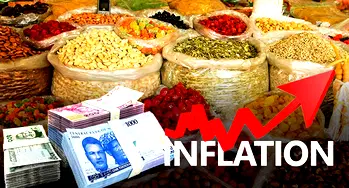
Despite a marginal decline in Nigeria’s headline inflation rate, food prices continue to rise, highlighting the persistent cost-of-living pressures facing households across the country. While the latest figures from the National Bureau of Statistics (NBS) indicate a slight easing in overall inflation, food inflation remains on an upward trajectory, reflecting the continued increase in the prices of essential commodities.
According to economic analysts, the decline in headline inflation was driven largely by a slowdown in core inflation, which excludes volatile agricultural produce and energy prices. However, food inflation climbed to 17.52 per cent in June 2026, up from 16.96 per cent in May, as the prices of staple items such as tomatoes, fresh pepper, crayfish, beef, yam products, cassava flour, garri, cowpeas, bananas, Irish potatoes, and dried green peas continued to increase.
Experts attribute the sustained rise in food prices to a combination of insecurity affecting farming communities, high transportation costs, exchange rate pressures, climate-related challenges, post-harvest losses, and rising production costs. They warn that unless these structural problems are addressed, food inflation is likely to remain elevated despite improvements in broader inflation indicators.
Economists also noted that the continued increase in food prices disproportionately affects low-income households, as food accounts for a significant share of household expenditure. They stressed that a modest reduction in headline inflation does not necessarily translate into improved living standards when the cost of essential food items continues to rise.
The latest inflation data has renewed calls for policies that go beyond monetary measures to address the structural drivers of food inflation, including increased investment in agriculture, improved rural security, better transport infrastructure, lower production costs, and stronger support for local food production to enhance food security and ease pressure on household incomes.
Tags: Food Inflation Continues to Rise Despite Slight Decline in Nigeria’s Headline Inflation Rate
Despite a marginal decline in Nigeria’s headline inflation rate, food prices continue to rise, highlighting the persistent cost-of-living pressures facing households across the country. While the latest figures from the National Bureau of Statistics (NBS) indicate a slight easing in overall inflation, food inflation remains on an upward trajectory, reflecting the continued increase in the prices of essential commodities.
According to economic analysts, the decline in headline inflation was driven largely by a slowdown in core inflation, which excludes volatile agricultural produce and energy prices. However, food inflation climbed to 17.52 per cent in June 2026, up from 16.96 per cent in May, as the prices of staple items such as tomatoes, fresh pepper, crayfish, beef, yam products, cassava flour, garri, cowpeas, bananas, Irish potatoes, and dried green peas continued to increase.
Experts attribute the sustained rise in food prices to a combination of insecurity affecting farming communities, high transportation costs, exchange rate pressures, climate-related challenges, post-harvest losses, and rising production costs. They warn that unless these structural problems are addressed, food inflation is likely to remain elevated despite improvements in broader inflation indicators.
Economists also noted that the continued increase in food prices disproportionately affects low-income households, as food accounts for a significant share of household expenditure. They stressed that a modest reduction in headline inflation does not necessarily translate into improved living standards when the cost of essential food items continues to rise.
The latest inflation data has renewed calls for policies that go beyond monetary measures to address the structural drivers of food inflation, including increased investment in agriculture, improved rural security, better transport infrastructure, lower production costs, and stronger support for local food production to enhance food security and ease pressure on household incomes.