




Fresh details have emerged in the scandal surrounding the controversial Presidential Foreign Intervention Promotion Council (PFIPC), with reports indicating that several government institutions had raised concerns about the agency’s legitimacy for months before any decisive action was taken.
According to investigations, the PFIPC operated openly from offices within the Federal Secretariat in Abuja, maintained about 300 staff members, secured an allocation of approximately ₦1.3 billion in the 2026 Appropriation Act and reportedly operated two bank accounts with the Central Bank of Nigeria, including one denominated in pounds sterling. Despite these activities, the Presidency now insists that the agency was never legally established.
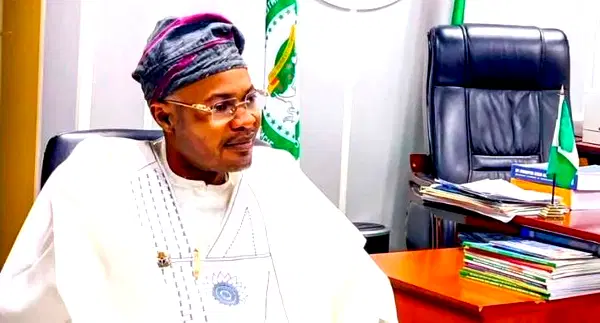
The scandal centres on Prince Adeniyi Adeyemi Matthew, who allegedly used forged government documents, including a letter bearing the falsified signature of the President’s Chief of Staff, Femi Gbajabiamila, to present himself as the Director-General of the council. The forged documents allegedly enabled the organisation to secure office accommodation, open official bank accounts and obtain recognition during the federal budgeting process.
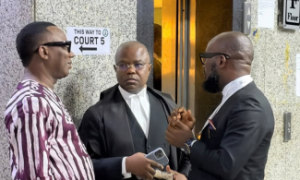
President Bola Ahmed Tinubu has directed the Independent Corrupt Practices and Other Related Offences Commission (ICPC) to investigate the matter and submit its findings within 30 days. The House of Representatives has also commenced its own investigation, while the Nigeria Police Force has declared the alleged mastermind wanted. Chief of Staff Femi Gbajabiamila has appeared before ICPC investigators after his office was linked to the forged appointment letter.
The revelations have raised serious questions about accountability within government institutions, with critics asking how an agency allegedly lacking legal backing could operate for months, receive public funding and pass through multiple administrative processes without detection or intervention. The affair has intensified calls for stronger oversight, greater transparency and reforms to prevent similar abuses within Nigeria’s public service.