






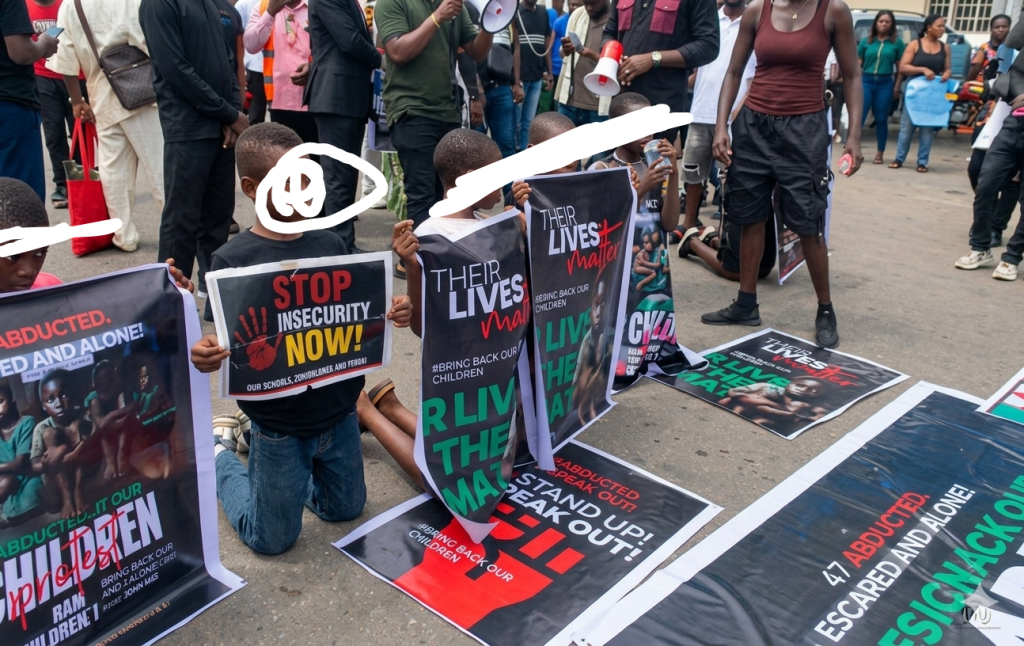
Human rights activist and writer, Kola Ibrahim, has raised concerns over Nigeria’s worsening security situation despite what he described as massive budgetary allocations to the sector under the Tinubu administration.
According to figures cited by the activist, the federal government budgeted over ₦13.1 trillion for security and defence between 2023 and 2025, with ₦6.5 trillion allocated in 2025 alone—about 12 percent of the national budget. Of this amount, ₦1.5 trillion was designated as capital expenditure, with nearly ₦1 trillion reportedly directed toward defence modernization and border security.
However, Ibrahim argues that the rising insecurity across the country contradicts these spending priorities, citing increasing cases of kidnappings, mass killings, and armed violence across several regions.
A recent report by SBM Intelligence showed that between July 2024 and June 2025, at least 4,722 people were kidnapped in 997 incidents nationwide, while 762 people were killed in related violence. During the same period, kidnappers reportedly demanded about ₦48 billion in ransom but received only ₦2.57 billion.
The data also indicates that kidnapping has become a major criminal economy, with repeated attacks targeting schools, rural communities, and highways across the North-West, North-Central, and North-East regions.
Critics argue that the worsening security situation reflects deeper structural challenges within Nigeria’s governance and security architecture, despite increased funding and repeated policy interventions.
Ibrahim further described government responses to insecurity as largely reactive, pointing to high-level visits and public relations efforts following major incidents, rather than sustained structural reforms in the security sector.
He also linked insecurity to broader socio-economic conditions, including rising cost of living, unemployment, inflation, and public dissatisfaction, arguing that state policies have intensified hardship for ordinary Nigerians.
Human rights observers maintain that addressing Nigeria’s security crisis requires not only increased spending but also stronger accountability mechanisms, transparency in procurement, and improved welfare and capacity for security personnel.
As insecurity continues to affect communities across the country, concerns are growing over the effectiveness of current strategies and the need for a more people-centered approach to national security.