






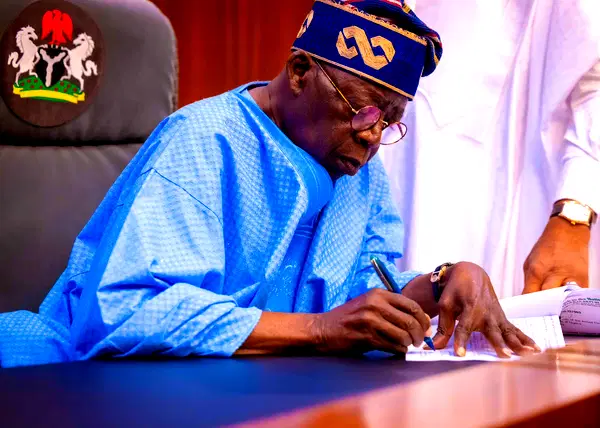
The Federal Government has announced plans to phase out electricity subsidies from 2027 as part of broader reforms aimed at restoring the financial sustainability of Nigeria’s power sector. Minister of Power Joseph Tegbe said the policy is intended to reduce the growing debt burden in the electricity industry while creating a more viable electricity market. He, however, assured Nigerians that there are no immediate plans to increase electricity tariffs and that the transition would be gradual.
According to the minister, the government will introduce measures to protect consumers during the transition and improve electricity supply as subsidy payments are phased out. He argued that the current subsidy regime has become financially unsustainable and that reforms are necessary to attract investment, improve efficiency and strengthen the long-term performance of the power sector.
The announcement has nevertheless sparked concerns among labour groups, consumer advocates and economic analysts, who warn that ending electricity subsidies could further increase the cost of living for millions of Nigerians already grappling with high inflation, rising food prices and stagnant incomes. Many fear that although the government has ruled out an immediate tariff increase, the removal of subsidies could eventually translate into higher electricity bills for households and businesses.
Critics also argue that electricity consumers continue to face persistent challenges, including unreliable power supply, inadequate metering and frequent outages. They contend that asking consumers to bear higher costs without first ensuring stable and improved electricity services could deepen public dissatisfaction and place additional pressure on small businesses and low-income households.
The planned reform comes amid wider economic restructuring by the Tinubu administration, following the removal of petrol subsidies and foreign exchange reforms. While the government maintains that these policies are necessary to strengthen public finances and attract investment, many Nigerians say the reforms have significantly increased living costs without corresponding improvements in wages, public services or social protection.
Analysts note that achieving a financially sustainable electricity sector will require more than subsidy reforms. They argue that sustained investment in power generation, transmission infrastructure, distribution networks, metering, regulatory oversight and consumer protection will be essential to improving electricity access and ensuring that reforms deliver tangible benefits to the public.