






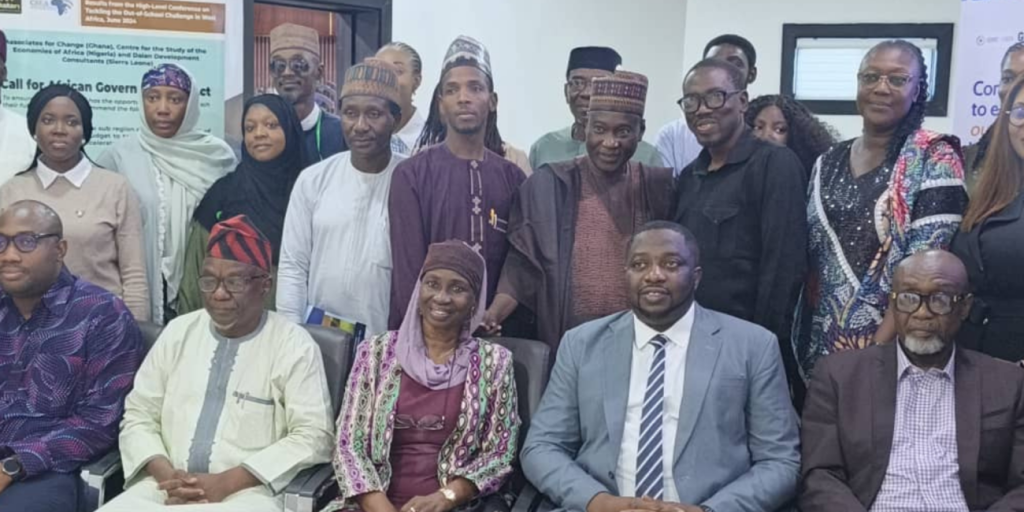
A new report has called for accelerated government action to tackle Nigeria’s growing out-of-school children crisis, warning that millions of children remain excluded from education despite years of policy interventions and increased investment in the education sector. The report stressed that educational exclusion continues to undermine human capital development and the country’s long-term social and economic progress.
According to the report, Nigeria remains one of the countries with the highest number of out-of-school children in the world. It urged federal and state governments to expand accelerated learning programmes, strengthen non-formal education, improve school infrastructure and provide targeted support for vulnerable children, particularly those affected by poverty, conflict, displacement and disability.
The report identified poverty, insecurity, child labour, early marriage, inadequate school facilities and shortages of qualified teachers among the major factors keeping millions of Nigerian children out of classrooms. It warned that unless these structural challenges are addressed, the country risks deepening inequality, weakening its workforce and limiting future economic growth.
Education advocates also called for stronger collaboration between government agencies, development partners, civil society organisations and local communities to ensure that every child has access to quality basic education. They emphasised that beyond enrolling children in school, efforts must also focus on improving learning outcomes and reducing dropout rates.
The report comes amid renewed national debate over education funding and access to schooling. While the Federal Government has introduced initiatives aimed at reducing the number of out-of-school children, stakeholders argue that sustained political commitment, adequate funding and effective implementation are essential to achieving meaningful progress.
For PlightTalk, the out-of-school children crisis is not merely an education issue but a reflection of deeper socio-economic inequalities. Millions of children are denied their right to education because of poverty, insecurity and inadequate public investment. Addressing the crisis requires more than policy announcements; it demands sustained investment in public education, social protection for vulnerable families, improved security and equitable development that ensures every Nigerian child has the opportunity to learn and build a better future.