



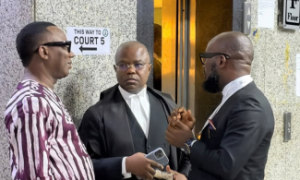


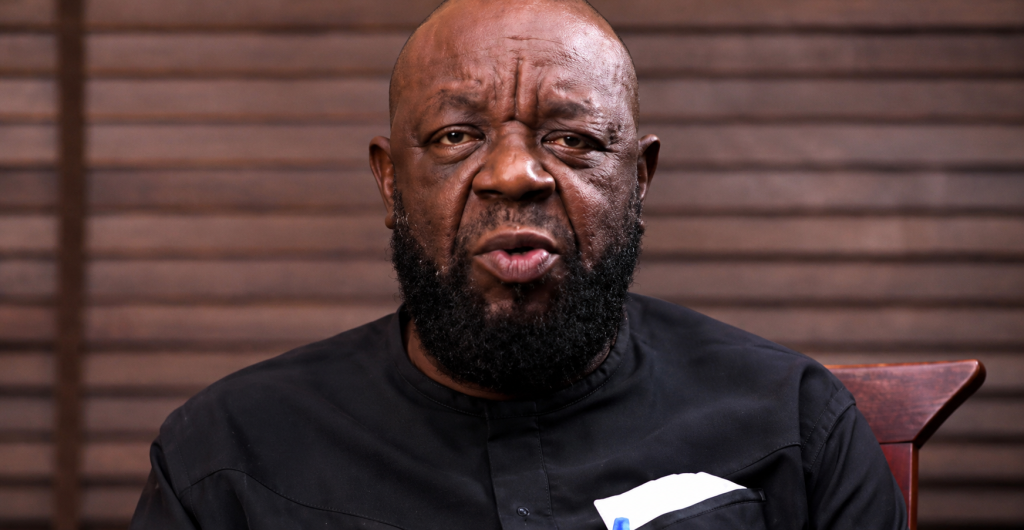
Tension has continued to trail the planned Biafra Memorial Day observance after the legal counsel to detained Indigenous People of Biafra (IPOB) leader, Nnamdi Kanu, accused the Nigerian Army of acting beyond its constitutional powers by allegedly attempting to restrict memorial prayers and remembrance activities linked to the annual event.
The lawyer, Aloy Ejimakor, described the military’s position as provocative and inconsistent with democratic principles, arguing that the Army does not possess the legal authority to regulate peaceful prayer gatherings or civil activities traditionally handled by the police and other civilian institutions.
His reaction followed controversies surrounding May 30 remembrance activities, a date recognised by pro-Biafra groups as a day of reflection for individuals who died during the Nigerian Civil War and subsequent struggles associated with the Biafra movement. IPOB had earlier announced plans for prayers, reflection, and sit-at-home observances to mark the occasion.
Ejimakor argued that attempts to interfere with religious or memorial activities risk escalating tensions rather than promoting peace and stability in the South-East.
According to him, democratic societies are expected to protect peaceful expressions of remembrance and freedom of association, provided such activities do not violate existing laws.
The lawyer further maintained that the responsibility for maintaining internal security and regulating public gatherings primarily rests with civilian law enforcement agencies, insisting that military involvement in such matters raises concerns about constitutional boundaries and civil liberties.
The controversy comes amid ongoing debates over security operations, civil rights, and the continued detention of IPOB leader Nnamdi Kanu, whose case remains one of the most politically sensitive issues in Nigeria. Kanu, a prominent separatist figure advocating for the restoration of Biafra, has remained at the centre of legal and political disputes for years.
Supporters of the Biafra movement have repeatedly argued that remembrance activities are intended to honour victims of the civil war and individuals who lost their lives during various pro-Biafra protests and clashes over the years. Human rights groups have also previously raised concerns about allegations of excessive force during some confrontations involving pro-Biafra demonstrators and security agencies.
As debates intensify, observers warn that the handling of Biafra-related commemorations remains a sensitive issue capable of influencing public trust, regional stability, and broader discussions around civil rights, national unity, and political reconciliation.
At the time of filing this report, security authorities had not publicly responded to the latest remarks made by Kanu’s lawyer regarding the memorial observances.