






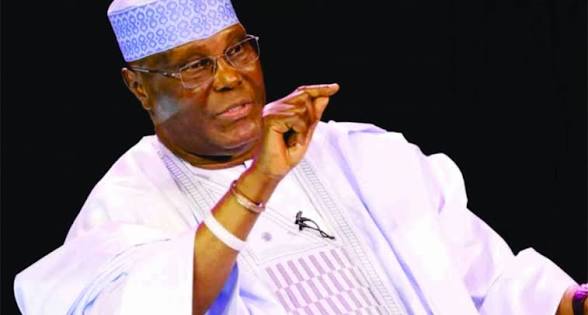
Presidential candidate of the African Democratic Congress (ADC), Atiku Abubakar, has explained the purpose of his recent visit to fellow party member and former presidential aspirant Mohammed Hayatu-Deen, saying the meeting was part of efforts to promote reconciliation and unity within the party ahead of the 2027 general elections.
The visit comes in the aftermath of the ADC presidential primary, which generated controversy after Hayatu-Deen withdrew from the contest before the official announcement of results, citing concerns over alleged irregularities and the credibility of the process.
According to Atiku, the engagement was aimed at strengthening cohesion within the party and ensuring that differences arising from the primary election do not undermine the ADC’s broader political objectives. He stressed the importance of dialogue and consultation in building a united opposition platform capable of challenging the status quo in the country.
Since emerging as the ADC presidential candidate, Atiku has embarked on a series of consultations with key party stakeholders and former rivals in a bid to consolidate support and foster internal stability. Political observers view the outreach efforts as a strategic move to close ranks within the party and prevent post-primary divisions from escalating.
The meeting with Hayatu-Deen followed a similar engagement with former Rivers State governor and ex-Minister of Transportation, Rotimi Amaechi, who also contested the party’s presidential ticket. Atiku has maintained that his consultations are focused on building consensus and preparing the party for the political challenges ahead.
Although details of the closed-door discussions were not publicly disclosed, sources within the party indicated that issues relating to party unity, reconciliation, and preparations for the 2027 elections featured prominently during the meeting.
The ADC has recently emerged as a major platform attracting prominent political figures and opposition elements seeking to challenge the dominance of the ruling establishment. As political realignments continue ahead of the next election cycle, the party’s ability to manage internal disagreements may prove crucial to its electoral prospects.