



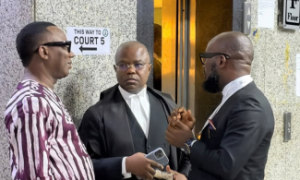


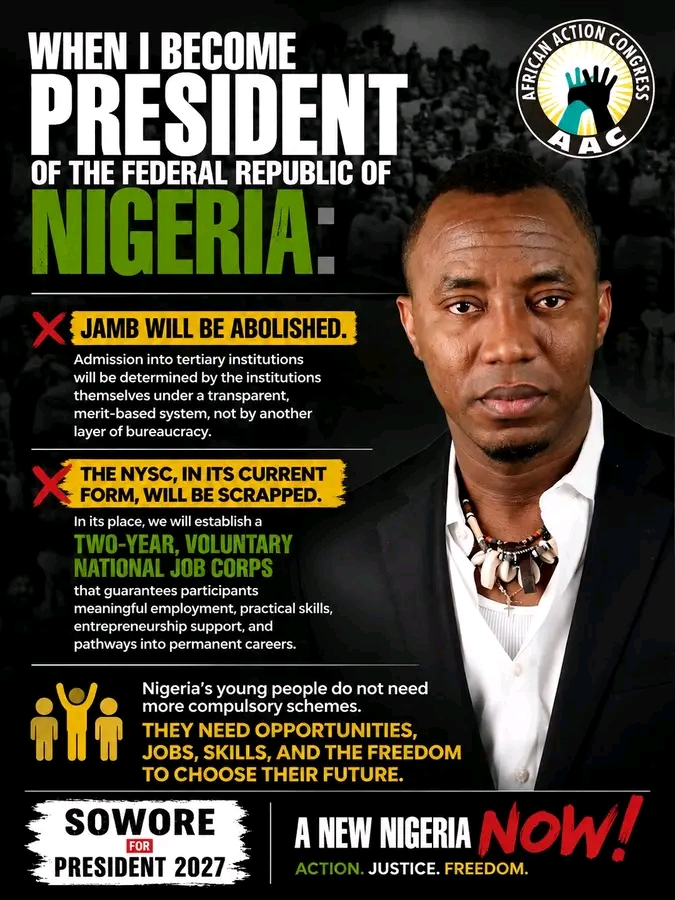
The Federal High Court in Abuja has granted an application filed by the defence team of human rights activist and presidential candidate Omoyele Sowore, permitting them to subpoena the Director-General of the Department of State Services (DSS), Tosin Ajayi, to testify in the ongoing cybercrime trial arising from social media posts in which Sowore described President Bola Ahmed Tinubu as “a criminal.”
Justice Mohammed Umar approved the application after the defence argued that only the DSS Director-General could explain the legal basis for the agency’s actions against Sowore and the authority under which the prosecution was initiated. The ruling followed testimony from a subpoenaed DSS official, Uwem Davies, who told the court that he merely acted on directives from the DSS Director-General and distanced himself from key prosecution documents.
During cross-examination, Davies reportedly denied authoring or signing a letter said to have been sent to Meta Platforms, the parent company of Facebook, concerning Sowore’s social media posts. He also testified that he acted on instructions to write to Sowore requesting the removal of posts published on Facebook and X (formerly Twitter), raising fresh questions about the authenticity of some of the documentary evidence relied upon by the prosecution.
The case has drawn significant public attention because it touches on issues of freedom of expression, the use of cybercrime laws and the powers of security agencies in prosecuting critics of the government. Sowore has consistently maintained that the charges are politically motivated, while the Federal Government continues to pursue the case through the courts. The allegations and the defence’s claims remain matters for judicial determination.
The court’s decision to compel testimony from the head of the DSS underscores the importance of transparency and accountability in criminal proceedings. Public confidence in the justice system depends on ensuring that prosecutions, particularly those involving criticism of public officials, are conducted fairly, that evidence is properly scrutinised and that state institutions remain subject to judicial oversight and the rule of law.