






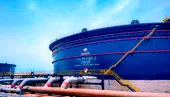
Dangote Petroleum Refinery has resumed gantry loading of Premium Motor Spirit (PMS) in naira, ending its week-long suspension of local currency sales and setting a new ex-depot price of ₦1,215 per litre. The new price represents an increase of ₦140 per litre, or about 13 per cent, from the previous ex-depot price of ₦1,075 per litre, with marketers and filling stations already adjusting their prices.
The refinery attributed the price adjustment to the sharp increase in global crude oil prices, which has raised the cost of producing refined petroleum products. Brent crude recently climbed to about $93.90 per barrel, while West Texas Intermediate (WTI) also recorded significant gains, increasing production costs for petrol, diesel and aviation fuel.
The resumption of naira-denominated sales follows a temporary shift to dollar pricing after the refinery cited difficulties in securing sufficient crude oil supplies under the Federal Government’s naira-for-crude arrangement. Industry sources said marketers have now been notified that truck loading has resumed under the revised pricing structure, a move expected to improve product availability after recent supply disruptions.
However, the higher ex-depot price is expected to translate into increased pump prices across the country. Depot prices have already risen sharply in several locations, with some filling stations in Lagos reportedly selling petrol for as much as ₦1,350 per litre, raising fresh concerns about transportation costs, food prices and the broader cost-of-living crisis facing millions of Nigerians.
The latest increase highlights the continuing burden of fuel price deregulation on working people and low-income households. While fluctuations in international crude oil prices influence domestic fuel costs, repeated price increases continue to place the greatest strain on ordinary Nigerians whose wages have failed to keep pace with inflation. Addressing the country’s energy challenges requires more than market-driven pricing. It demands transparent management of the petroleum sector, sustained public investment in refining capacity and policies that prioritise affordable energy access as a social and economic necessity rather than leaving essential commodities entirely to market forces.