



As preparations for Nigeria’s January 16, 2027 general election gather momentum, several political parties have begun unveiling their presidential candidates, setting the stage for what promises to be a highly competitive contest for the country’s highest office.
With over 20 political parties registered by the Independent National Electoral Commission (INEC), at least 10 parties have already produced or announced candidates as political alignments, defections, and internal party contests continue to reshape the electoral landscape.
The emerging field reflects a mixture of familiar political figures, incumbents, opposition leaders, and new contenders seeking to convince Nigerians that they can address the country’s pressing economic and security challenges.
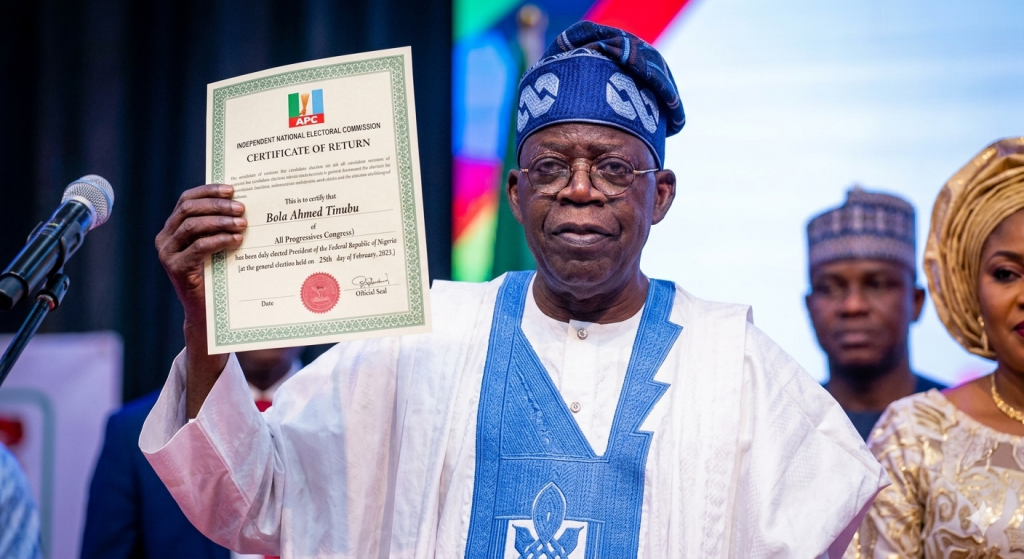
President Bola Ahmed Tinubu has secured the presidential ticket of the All Progressives Congress (APC), positioning himself for a second term in office. Tinubu, who previously served as Governor of Lagos State, remains one of the most influential figures in Nigerian politics and is expected to anchor the ruling party’s campaign.
Within the opposition, divisions continue to shape the political terrain. Different factions of the Peoples Democratic Party (PDP), African Democratic Congress (ADC), and Social Democratic Party (SDP) have produced separate candidates, highlighting ongoing internal disagreements that could affect opposition unity ahead of the election.
Former Vice President Atiku Abubakar has emerged as the presidential candidate of a faction of the ADC led by former Senate President David Mark. Atiku, a veteran politician and multiple-time presidential contender, remains one of the most recognizable opposition figures in the country.
Another ADC faction is backing Dumebi Kachikwu, who gained national attention as the party’s presidential candidate during the 2023 general election.
The PDP also remains divided. A faction associated with former Rivers State Governor Nyesom Wike has produced former Senator Sandy Onor as its presidential candidate, while another faction reportedly aligned with Kabiru Tanimu Turaki has named former President Goodluck Jonathan as its preferred candidate.
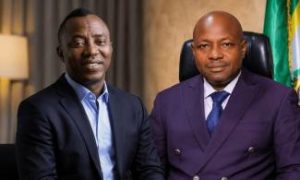
The African Action Congress (AAC) has once again presented human rights activist and publisher Omoyele Sowore as its presidential candidate. Sowore, known for his advocacy on governance and accountability issues, has previously contested for the presidency under the party’s platform.
In the Social Democratic Party, lawyer and businessman Adewole Adebayo has secured the party’s ticket, while another faction led by Shehu Gabam is backing Abimbola Akeem Atanda.
The Nigeria Democratic Congress (NDC) has selected former Anambra State Governor Peter Obi as its presidential candidate. Obi, who previously contested under the Labour Party in 2023, has reportedly chosen former Kano State Governor Rabiu Musa Kwankwaso as his running mate.
Meanwhile, Oyo State Governor Seyi Makinde has emerged as the presidential candidate of the Allied Peoples Movement (APM), while the Action Democratic Party (ADP) has nominated former political aide Aliyu Bin Abbas.
The Labour Party has presented governance expert and policy strategist Dr. Chibuzo Okereke as its candidate, while the People’s Redemption Party (PRP) has chosen former Cross River State Governor Donald Duke.
Political analysts believe the growing list of candidates reflects both the vibrancy and fragmentation of Nigeria’s political environment. As campaigns begin to intensify, issues such as insecurity, economic recovery, inflation, unemployment, governance reforms, and national unity are expected to dominate public discourse.
With months still remaining before the election, further alliances, defections, and political realignments may yet reshape the race.
Source: Adapted from a report by Saheed Oyelakin originally published by The Punch. Rewritten and updated for PlightTalk.