





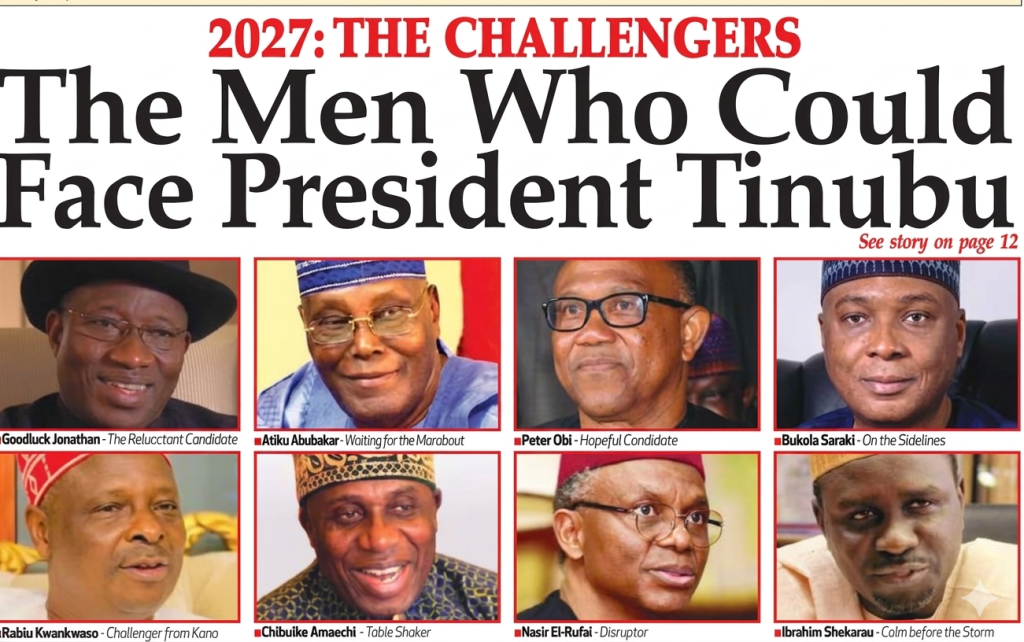
As Nigeria gradually moves towards the 2027 general elections, the list of presidential candidates emerging from different political parties reflects both continuity and uncertainty in the country’s political landscape. Familiar political figures are once again positioning themselves for the nation’s highest office, while voters are left asking a fundamental question: Will 2027 bring real change or simply another contest among the political elite?
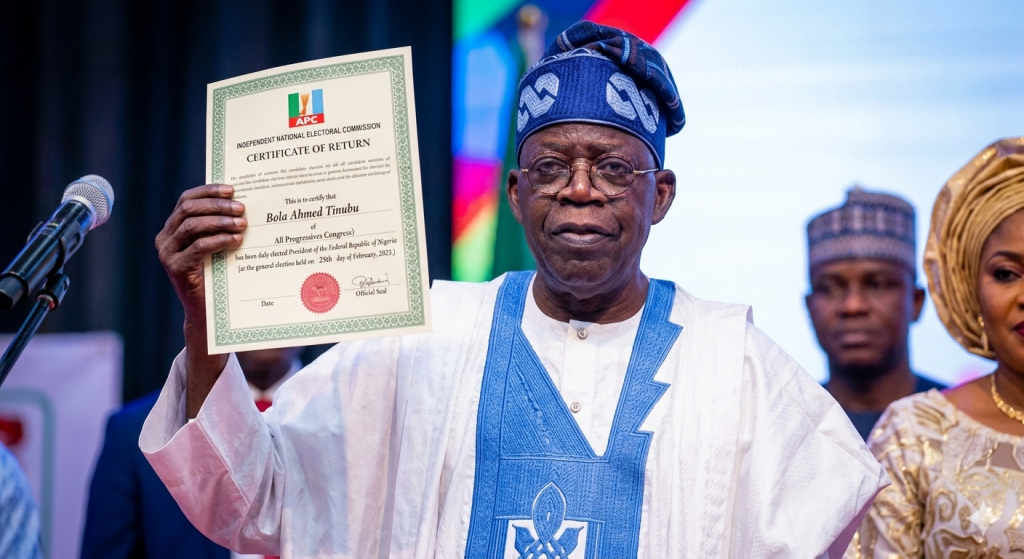
Among the leading contenders are incumbent President Bola Ahmed Tinubu of the All Progressives Congress, former Vice President Atiku Abubakar, Labour Party’s 2023 presidential candidate Peter Obi, Oyo State Governor Seyi Makinde, and other notable political actors seeking to shape Nigeria’s future.
What is striking is that many of the names dominating the political conversation are not new entrants. They are individuals who have occupied significant positions within Nigeria’s political establishment for years. This reality raises concerns about whether the country’s political system is capable of producing fresh ideas and leadership capable of addressing longstanding challenges such as insecurity, unemployment, inflation, corruption, poor infrastructure, and declining public trust in governance.
For supporters of the ruling party, President Tinubu’s candidacy represents continuity and an opportunity to consolidate ongoing economic reforms. His administration argues that difficult policy decisions taken over the last three years are necessary sacrifices for long-term economic stability. Critics, however, point to rising living costs, economic hardship, and persistent insecurity as evidence that many Nigerians are yet to experience the promised benefits of those reforms.
On the opposition side, the challenge extends beyond presenting candidates. Opposition parties must convince Nigerians that they offer a genuine alternative rather than a change of faces within the same political culture. Internal divisions, shifting alliances, and recurring coalition disputes have often weakened opposition efforts and reduced public confidence in their ability to govern differently.
The emergence of candidates from smaller political parties also highlights growing dissatisfaction with Nigeria’s traditional two-party dominance. While many of these parties may struggle to compete with the financial and organizational strength of larger parties, their participation reflects increasing public interest in alternative political platforms and governance models.
Ultimately, the 2027 election should not merely be about personalities. The real debate should focus on policies, accountability, economic recovery, security, education, healthcare, and the future direction of the Nigerian state. Nigerians have repeatedly demonstrated resilience in the face of adversity, but resilience alone cannot substitute for effective governance.
As campaigns gather momentum, voters will need to carefully examine not only what candidates promise but also their records, political histories, and capacity to deliver meaningful change. The election presents an opportunity for citizens to demand more than slogans and political rhetoric. It is a chance to insist on competence, transparency, and a clear vision for national development.
Whether 2027 becomes a turning point or another missed opportunity will depend not only on those seeking power but also on the willingness of Nigerians to hold them accountable before and after election day.