






Nigeria’s agricultural sector recorded a 3.15 percent growth rate, contributing significantly to the country’s Gross Domestic Product (GDP), which stood at N11.87 trillion in real terms, according to the latest economic data reported by Vanguard.
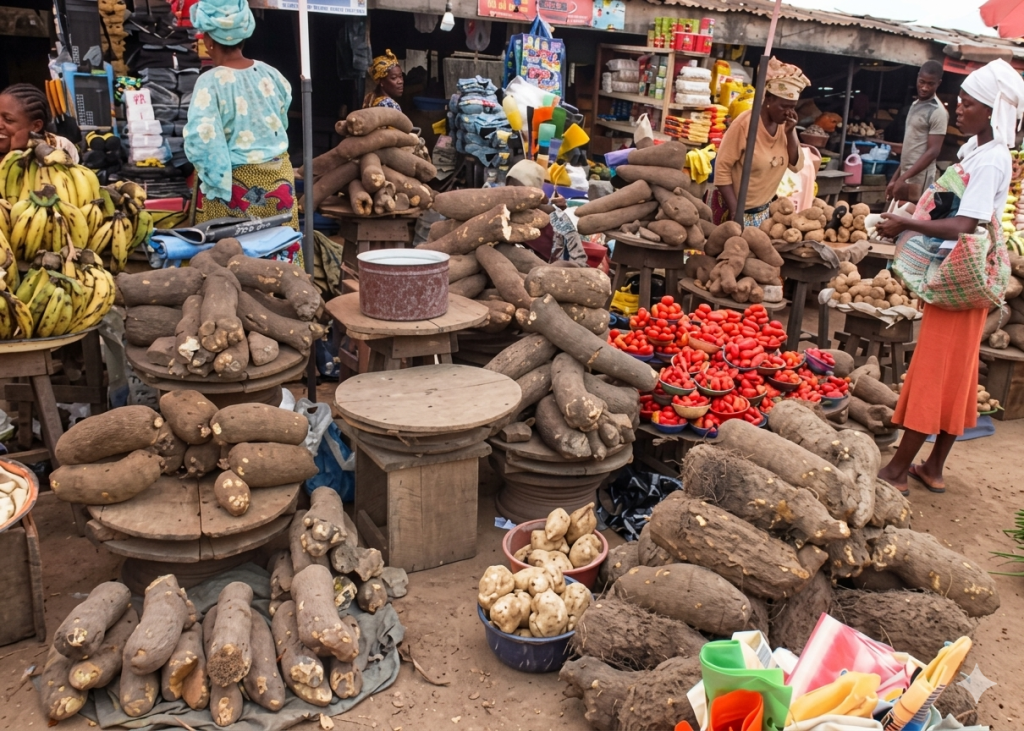
The performance marks a notable improvement compared to the same period in the previous year, reflecting stronger output in crop production and gradual recovery across key segments of the agricultural value chain. The sector continues to remain a critical driver of Nigeria’s economy, alongside services and industry.
Data from the National Bureau of Statistics (NBS) shows that agriculture remains one of the strongest-performing sectors in the first quarter of 2026, expanding faster than in the corresponding period of 2025 when growth was significantly weaker.
Economic analysts attribute the improvement to increased farming activity, seasonal harvest gains, and marginal improvements in input distribution, although challenges such as insecurity, high transportation costs, and inflation continue to affect productivity in rural areas.
Despite the growth, stakeholders warn that the sector’s performance remains below its potential, especially as food inflation and supply chain disruptions continue to impact food availability and affordability across the country.
The agricultural sector’s contribution remains central to Nigeria’s broader economic structure, given its role in employment generation and food security.
Source: Vanguard Newspaper