

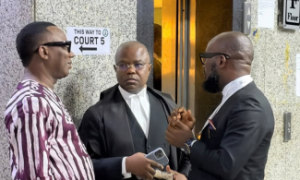


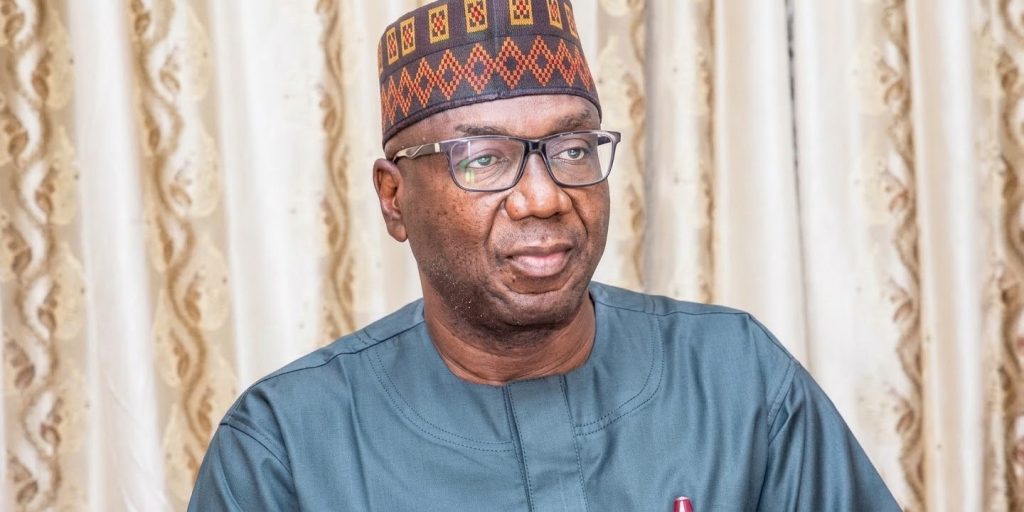
Magistrates in Kwara State have accused the administration of Governor AbdulRahman AbdulRazaq of neglecting the state’s lower judiciary, alleging that many judicial officers earn less than ₦200,000 per month and are forced to rely on commercial motorcycles (Okada) to commute to court due to poor welfare and the absence of official vehicles.
Speaking anonymously for fear of victimisation, the magistrates described their working conditions as “humiliating” and “degrading,” claiming they have repeatedly been excluded whenever official vehicles are distributed to judicial officers. They alleged that while High Court judges and senior judicial administrators receive official vehicles and improved welfare packages, magistrates and Area Court judges have continued to suffer neglect.
According to the magistrates, Grade Level 1 magistrates earn salaries below ₦200,000, making it nearly impossible to own personal vehicles despite the dignity and responsibilities attached to their office. They lamented that after presiding over court proceedings where they are addressed as “Your Worship,” they are often seen struggling to board commercial motorcycles alongside litigants and lawyers.
The judicial officers further argued that magistrates handle a significant proportion of criminal and civil cases in the state and serve as the first point of contact for many Nigerians seeking justice. Despite this heavy workload, they said poor remuneration and inadequate welfare continue to affect morale, productivity, and the effective administration of justice.
The allegations come days after the Magistrates’ Association of Nigeria (MAN), Kwara State Branch, declared an indefinite strike over poor welfare, salary disparities, unpaid allowances, and what it described as discriminatory treatment by the state government.
The magistrates have called on the Kwara State Government to urgently review their salaries, improve welfare packages, and provide official vehicles, warning that continued neglect could further weaken the administration of justice in the state.