






The worsening cost-of-living crisis in Nigeria is forcing many households to compromise on the quality and nutritional value of the food they consume, as soaring prices continue to put healthy meals beyond the reach of millions.
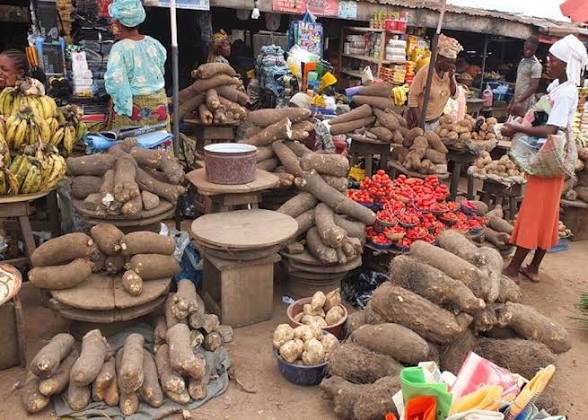
According to a report by Vanguard, rising food inflation has compelled many Nigerians to adopt survival strategies that include reducing portion sizes, substituting nutritious foods with cheaper alternatives, and cutting back on protein-rich diets altogether. The trend has raised concerns among nutritionists and food security experts about the long-term health implications of poor dietary choices.
The report noted that despite periodic claims of easing inflation, the cost of maintaining a healthy diet continues to increase. Data from the National Bureau of Statistics (NBS) showed that the average Cost of a Healthy Diet rose to N1,541 per adult per day in March 2026, reflecting the growing financial burden on households.
Experts attribute the situation to a combination of factors, including rising transportation costs, insecurity in major food-producing regions, high farming input costs, flooding, and broader economic pressures. These challenges have contributed to persistent food inflation, eroding purchasing power and pushing nutritious foods further out of reach for ordinary Nigerians.
Food security analysts have also warned that millions of Nigerians remain vulnerable to hunger and malnutrition. Recent assessments indicate that tens of millions could face acute food insecurity due to inflation, insecurity, and declining household incomes.
As economic hardship deepens, concerns are growing that the decline in food quality and nutrition could have serious consequences for public health, particularly among children, pregnant women, and other vulnerable groups.
Source: Vanguard Newspaper