






The International Monetary Fund (IMF) has maintained that Nigeria’s ongoing economic reforms are improving macroeconomic stability and strengthening investor confidence, while also warning that poverty levels in the country continue to rise despite these gains.
The IMF’s position, as reported in Nigerian media coverage, suggests that while key indicators such as growth projections and fiscal adjustments are showing improvement, these gains have not translated into better living conditions for a large segment of the population.
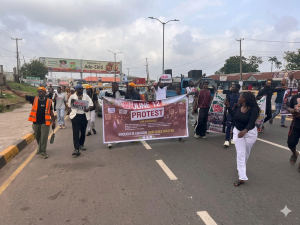
It further noted that rising inflation, food costs, and energy prices continue to place heavy pressure on households, with millions of Nigerians still facing worsening economic hardship.
However, the statement has reignited debate over the role of international financial institutions in shaping economic policy in developing economies.
Critics argue that institutions such as the IMF and World Bank often promote policy frameworks centred on liberalisation, subsidy removal, and fiscal tightening, which may stabilise macroeconomic indicators but can deepen social inequality in the short term if not accompanied by strong welfare protections.
Some analysts maintain that such reforms tend to prioritise investor confidence and external balance over domestic welfare outcomes, especially in countries with weak social safety nets and high unemployment rates.
Others, however, argue that structural reforms are necessary to correct long-standing economic imbalances, reduce fiscal pressure, and attract long-term investment.
The ongoing discussion highlights a central contradiction in Nigeria’s economic trajectory: improving macroeconomic indicators on one hand, while worsening living conditions for many citizens on the other.
As one Nigerian newspaper report noted, the reforms may be “working” in statistical terms, but the lived reality of poverty continues to expand for millions of households across the country.